
César Ruiz Aquino
César Ruiz Aquino is a Filipino poet, fiction writer, educator, and literary figure closely associated with Dumaguete City and Silliman University. Through decades of writing, teaching, and mentoring at the Silliman University National Writers Workshop, he has become an important figure in the literary culture of Dumaguete and Negros Oriental.
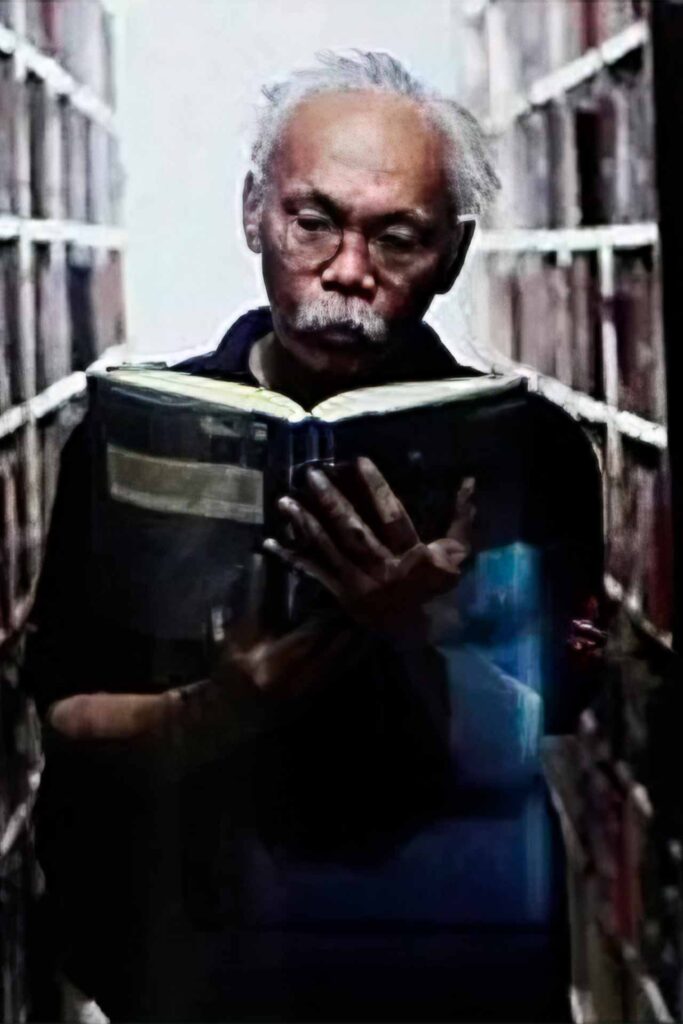
Biography
Name: César Ruiz Aquino
Also known as: César “Sawi” Ruiz Aquino
Born: During World War II
Place of birth: Iligan, Lanao del Norte
Raised in: Zamboanga City
Location / connection: Dumaguete City, Negros Oriental
Field: Literature, poetry, fiction, creative writing
Education: Ph.D. in Literature, Silliman University
Professional work: Poet, fiction writer, literature professor, creative writing mentor
Institution: Silliman University
Major recognition: Carlos Palanca Memorial Awards for Literature; Gawad Pambansang Alagad ni Balagtas for Lifetime Achievement; National Fellow for Poetry; S.E.A. Write Award
Known for: Poetry, fiction, literary teaching, and his long association with the Silliman University National Writers Workshop
Based in: Dumaguete City, Negros Oriental
César Ruiz Aquino — Significant Contributions
Silliman University and Dumaguete
Aquino first came to Dumaguete as a young writer and participated in the first Silliman University National Writers Workshop in 1962. He later earned his Ph.D. in Literature from Silliman University under National Artist for Literature Edith Tiempo.
He began teaching creative writing and literature at Silliman University in 1981. His long association with the university made Dumaguete an important center of his professional and literary life.
Poetry and Fiction
Aquino has written extensively in both poetry and prose. His published books include Chronicles of Suspicion, Word Without End, Checkmeta: The Cesar Ruiz Aquino Reader, In Samarkand, Caesuras: 155 New Poems, Like A Shadow That Only Fits A Figure Of Which It Is Not The Shadow, and Fire If It Were Ice, Ice If It Were Fire.
His work is particularly associated with poetry, although he has also received recognition for fiction. His writing has been published and discussed within Philippine literary circles for several decades.
National Literary Recognition
Aquino received four Carlos Palanca Memorial Awards for Literature: two for poetry, in 1978 and 1997, and two for short fiction, in 1979 and 1989. These awards place his work within the nationally recognized tradition of Philippine literature.
In 1997, the Writers’ Union of the Philippines awarded him the Gawad Pambansang Alagad ni Balagtas for Lifetime Achievement. He was also named National Fellow for Poetry by the University of the Philippines Institute of Creative Writing in 2003.
S.E.A. Write Award
In 2004, Aquino was the Philippine recipient of the S.E.A. Write Award, an international literary award recognizing writers from Southeast Asian countries.
The award extended his recognition beyond the Philippines and placed him among writers honored from across Southeast Asia.
Silliman University National Writers Workshop
Aquino has had a long association with the Silliman University National Writers Workshop, beginning with his participation in its first workshop in 1962. He later became one of its resident panelists and mentors.
Through the workshop and his university teaching, he has worked with younger writers and contributed to the continuation of Dumaguete’s established literary community.
Poet of the Year
In 2014, Aquino was named Poet of the Year at the Nick Joaquin Literary Awards organized by Philippines Graphic. At the time, Silliman University described him as a literature professor and longtime mentor in creative writing.
Contribution to Negros Oriental
Although Aquino was not born in Negros Oriental, much of his literary and academic career has been centered in Dumaguete City.
His decades at Silliman University, his role in the Silliman University National Writers Workshop, and his work as a writer and mentor have made him an established part of the literary history and cultural life of Dumaguete and Negros Oriental.
Website: cezaruis.wordpress.com
Photo source – cezaruis.wordpress.com